
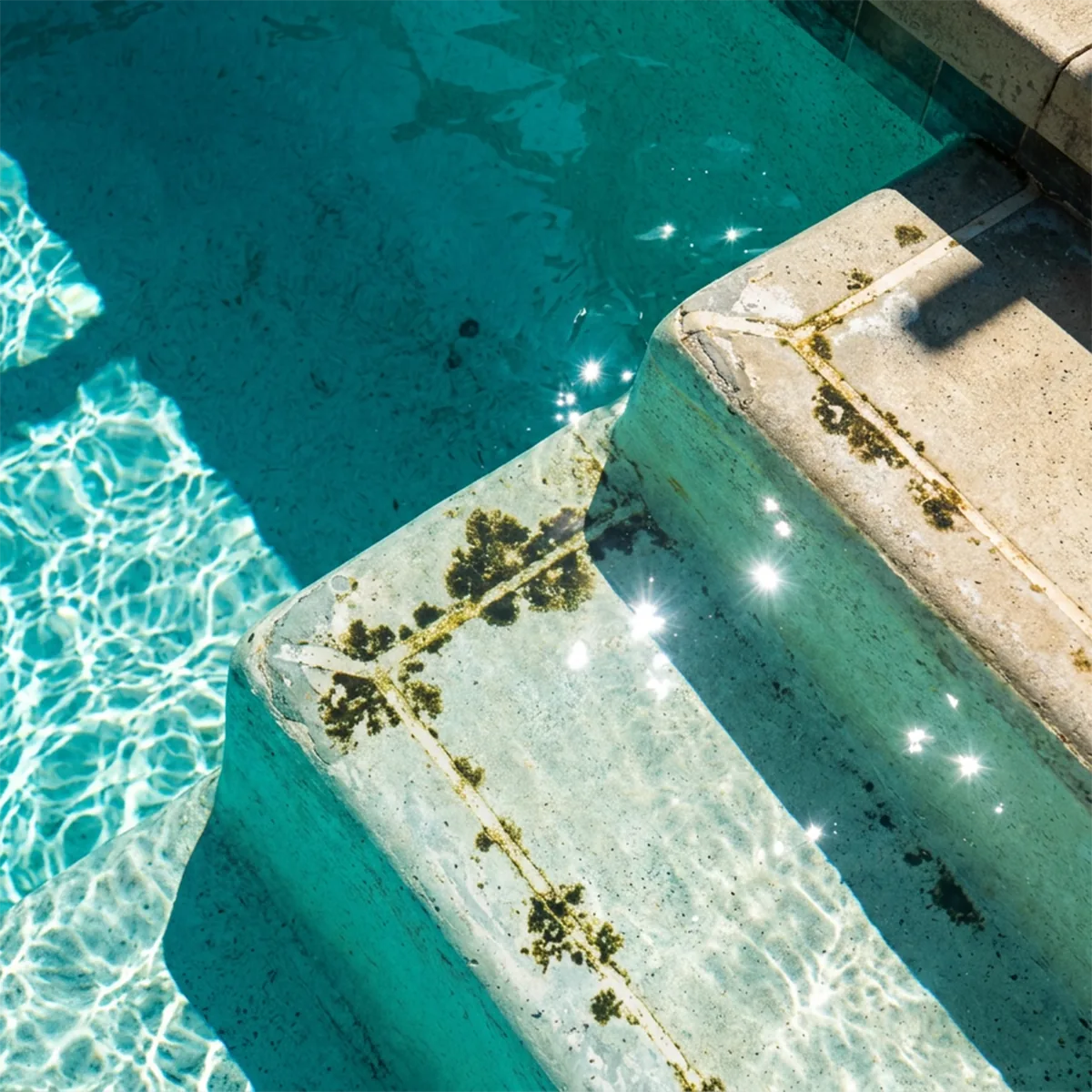
Got algae? We’re here to help!
Every pool owner has seen algae at some point. Our expert tips will help you identify, get rid of and prevent algae.
In this article you’ll learn:
- How algae appears in your pool – Learn what causes algae to bloom in pool water and the early signs that it’s starting to grow
- How to get rid of algae in your pool – Step-by-step instructions to eliminate algae and restore your pool’s clarity
- How to prevent green pool water – Simple maintenance habits and products that help stop algae before it starts for a sparkling blue pool all season long
Did you know that algae is “everywhere?” It’s in the air, water and organic debris from leaves to twigs to soil. Algae spores can easily float in your pool without you even noticing!
That’s why maintaining proper water balance is essential. When your water is balanced, your sanitizer will kill algae spores before algae becomes unmanageable and you have a green pool.
How Algae Appears in Your Pool
If you know why algae appears in your pool, you can better prevent it. The reasons are many:
1. Pool water that’s out of balance
Unbalanced water creates the perfect environment for algae to grow.
2. Low or inconsistent chlorine levels
Low sanitizer levels allow algae to continue growing instead of eliminating it.
3. Poor filtration
Filtration helps move sanitizer evenly throughout the pool, making it harder for algae to take hold.
Poor filtration can happen when:
- The pump isn’t running long enough
- The filter is dirty or clogged
- Water circulation is weak, creating stagnant “dead spots”
- The filter is old or not working efficiently
4. Not brushing pool walls and floors
Regular brushing helps loosen algae spores and buildup so your sanitizer and filtration system can remove them more effectively.
5. Contaminated swimsuits or toys
Swimsuits, floats, toys and other pool accessories can carry algae spores, dirt and bacteria into the water – especially if they’ve been used in lakes, rivers or other pools.
6. Street clothes
Anyone entering the pool in street clothes can introduce algae and other contaminants into the water.
7. Pets in the pool
Sad, we know!
8. Organic debris in your pool
Leaves, twigs, grass, plants, etc.
9. Fertilizer
Fertilizer contains nitrogen, which acts as food for algae, so when it gets into your pool from nearby plants, grass or trees, it can quickly trigger algae growth.
10. Wind and rain
Yes, wind and rain. Something completely out of your control!
See, algae can happen to anyone! The key is to act fast when you notice any signs of algae. If not, it just keeps growing. And growing.
How to Get Rid of Algae in Your Pool
1. Clean and vacuum your pool
Before adding any treatment, remove as much debris and visible algae as possible.
- Skim leaves, bugs and organic material from the water
- Brush pool walls, steps and corners to loosen algae and buildup
- Vacuum the pool thoroughly to remove debris
Brushing is especially important because algae can cling to pool surfaces and create a protective layer that makes treatment less effective.
2. Backwash and clean your filter
When you brush and vacuum your pool, dead bacteria and other debris can quickly plug your pool filter. A dirty or clogged filter can reduce circulation and make algae problems worse. Be sure to:
- Backwash or clean your pool filter
- Empty the pump basket and remove debris
- Continue cleaning the filter regularly throughout the treatment process
As algae dies, it can quickly clog your filter system, so maintenance during treatment is critical.
3. Run the pool pump 24 hours a day
While fighting algae it’s important to run your pool pump 24 hours a day.
It helps circulate the water, distribute the chemicals evenly throughout the pool and remove dead algae and debris.
Algae can quickly multiply in stagnant water, so running the pump continuously prevents further algae growth and spread – that puts you on the offense.
4. Balance your pool water
Balanced water helps your sanitizer and algaecide work more effectively. Maintain the following levels:
- Total Alkalinity: 80 – 120 ppm
- pH: 7.2 – 7.8
- Total Hardness: 200 – 400 ppm
- Cyanuric Acid: 20 – 80 ppm
Test your water frequently during treatment, as algae can cause pH fluctuations.
5. Use a chlorine shock to raise the free chlorine level to at least 2-4 ppm
It’s important to shock your pool with chlorine when treating algae.
Make sure your shock treatment boosts your pool’s Free Chlorine level anywhere between 2 and 4 ppm.
6. Check for high metal content
Before using your algaecide, test for metals in the water and ensure copper levels are below 0.2 ppm.
7. Add an algaecide
An algaecide is a biocide used to kill algae and prevent future algae growth. The water care experts at FROG® recommend using FROG® Algae Gone® to treat algae in your pool. It’s an award-winning algaecide that’s easy, powerful and effective.
FROG Algae Gone can be used in any pool – even if you don’t use FROG products already. Its unique, dry, concentrated and fast-acting formula comes in a small, prefilled Pod. Simply drop the Pod into your skimmer and enjoy No Mess, No Guess, No Stress™!
One FROG Pool Pod treats 10,000 gallons, so be sure to add the proper number of Pods for your pool’s gallon size.
Water Care Expert Tip: After using an algaecide, do not add any other chemicals for 24 hours. Why? Because other chemicals can react with the algaecide, potentially impacting its effectiveness.
8. Be patient
The time it takes to clear algae from your pool can vary depending on several factors, including the severity of the algae growth and the size of your pool.
Here’s the timeline you can expect with each level of algae:
- Light algae (slight green tint): around 24 – 48 hours
- Moderate algae (noticeably green/cloudy): anywhere from 2 – 4 days
- Heavy algae bloom (dark green, black or mustard algae): 4 – 7+ days and sometimes longer
How to Prevent Pool Algae
Now that you’ve successfully restored clean and clear pool water, it’s the best time to prevent algae from returning.
Preventing algae growth is not only cost-effective, but it also saves you the hassle of treating a full-blown algae outbreak.
So, what’s the best way to prevent algae? Establish a regular pool maintenance routine and stick to it. A little consistency goes a long way in helping keep your water clear, balanced and algae-free all season long.
Pool Maintenance Routine to Prevent Algae
Build a simple pool care routine to help stop algae before it starts this pool season! Here’s some pointers:
1. Always maintain the proper pH range of 7.2 – 7.8
Regularly test your pool’s pH and adjust as needed. Keep the pH within the recommended range with pH adjustment products. When your pool’s pH is within the ideal range, the water’s environment discourages algae growth.
2. Watch your chlorine level
Traditional chlorine pools must maintain chlorine levels in the recommended range of 1 – 3 ppm. With FROG products, the recommended range of chlorine is 0.5 – 1.0 ppm. That’s because FROG Products kill bacteria with both FROG Sanitizing Minerals® and low chlorine.
3. Clean or backwash your filter regularly
Your pool filter is an essential tool to help prevent algae. It removes debris, dirt and microscopic organisms from the water.
It’s got a big job, so cleaning or backwashing the filter regularly ensures optimal filtration efficiency, which also helps stop algae growth.
4. Keep organic matter out of the pool
When you see leaves, grass, twigs or bugs in the water, get them out of the pool quickly. They can provide a food source for algae and contribute to its growth. Keep organic debris out of the pool by skimming the pool’s surface frequently and using a pool cover when it’s not in use.
Keep trees and plants trimmed to help minimize falling leaves and branches. Avoid fertilizing near the pool, too — fertilizer can act as food for algae, turning a small algae issue into a much bigger problem.
5. Always shock after heavy rain or larger than normal pool use
Heavy rain or a higher number of swimmers can disrupt your pool water balance and create ideal conditions for algae growth.
After such events, it’s vital to shock the pool by adding a higher dose of chlorine or a non-chlorine shock treatment. This helps oxidize contaminants, get your sanitizer levels up and restore the water’s clarity.
6. Use an algae preventive
Use a proven algae prevention product like FROG® 90-Day Algae Barrier®. It’s an easy-to-use prefilled Pool Pod that helps stop algae before it starts for 90 days. Check it out by clicking here.
FROG 90-Day Algae Barrier and other algaecides inhibit algae growth by continuously releasing small amounts of an algaecide into the water.
Kick Algae to the Curb
Simple maintenance like keeping water balanced, cleaning the filter, skimming the water, shocking when needed and using a preventative algaecide will help you create an environment that discourages algae growth.
Implement this strategy and say goodbye to the hassle of dealing with a green pool. It’s time to enjoy your backyard’s escape all summer long.
Need more help?
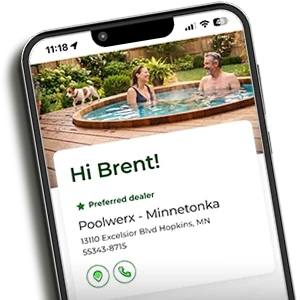
Call our customer service team at 800-222-0169 Monday through Friday from 8 AM – 5 PM CST. Or check out the FREE FROG Water Care® App. Download it at the App store or Google. It helps you troubleshoot, has videos and offers all kinds of assistance 24/7.