
Si el nivel de cloro es demasiado bajo
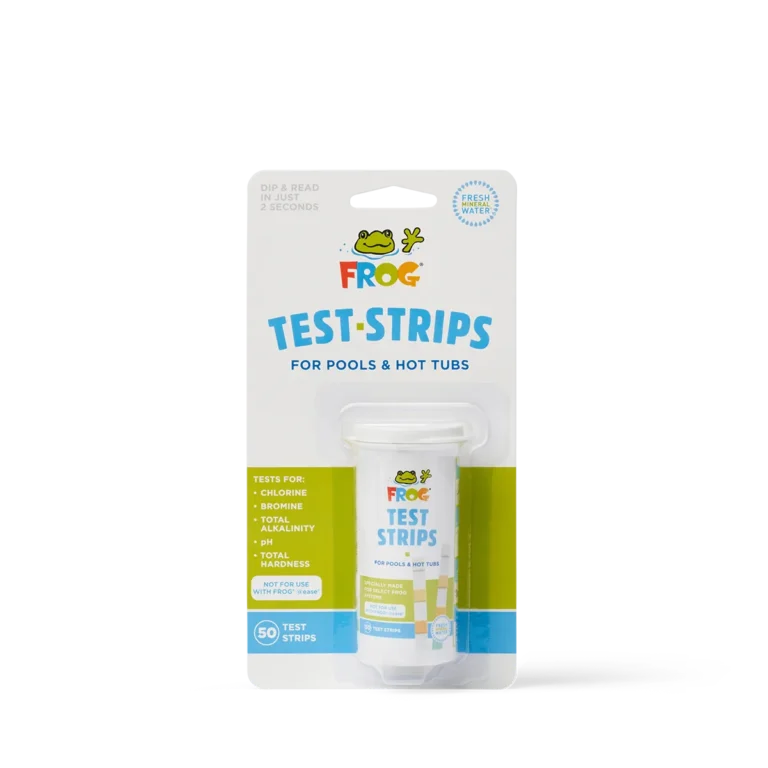
- Test your chlorine level
If chlorine is below 1.0 ppm, shock the pool. - Increase your chlorinator or salt generator setting
Raise the output gradually until chlorine returns to the recommended range of 1 to 3 ppm. Make only one adjustment per day and retest after 24 hours. - Increase the amount of chlorine being dispensed
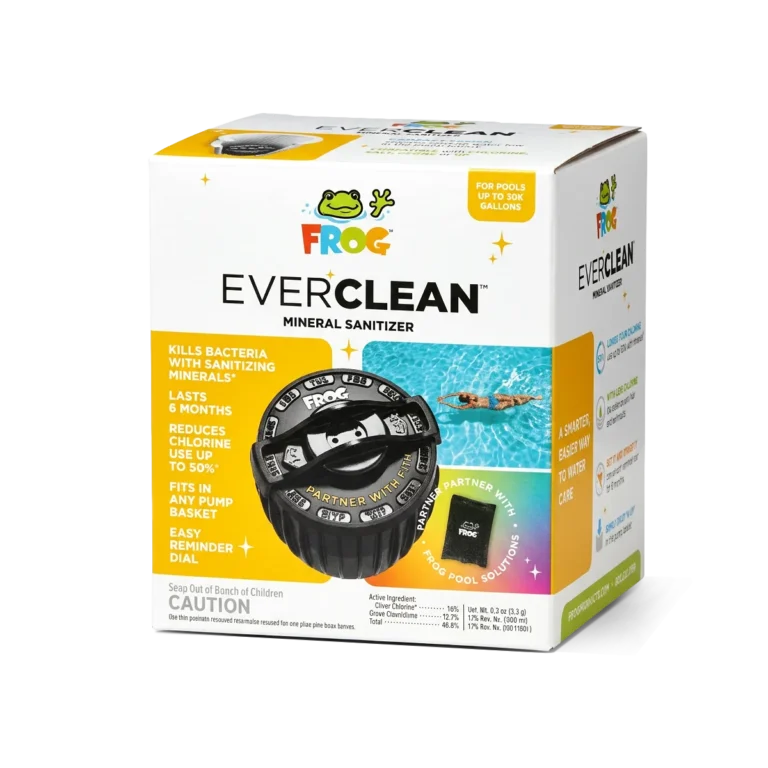
If using a chlorinator or floater, fill it completely and open any adjustment settings that allow more water to contact the chlorine. If adding tablets or liquid chlorine manually, increase the amount or frequency of application as needed. - Equilibra el agua
Ensure pH, alkalinity, and stabilizer (cyanuric acid) levels are within the recommended ranges. Poor water balance can make chlorine less effective or cause it to dissipate too quickly. - Increase pump run time if necessary
If you use an inline chlorinator, chlorine can only be added while the pump is running. Longer circulation times may help maintain proper sanitizer levels. Also, clean or backwash the filter regularly to maintain good water flow. - Inspect the pool for algae
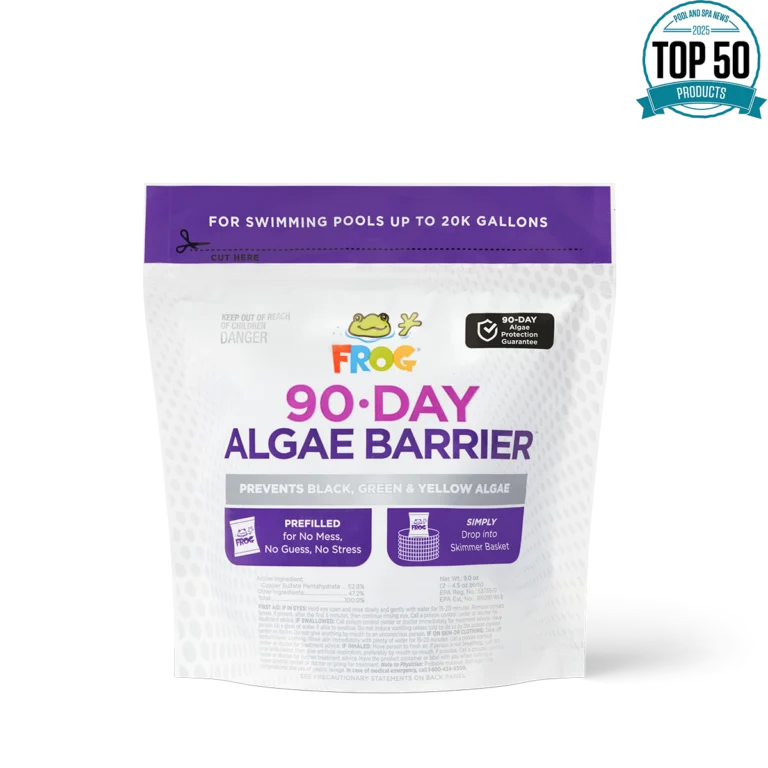
Look for green spots, cloudy water or slippery surfaces. Algae can consume chlorine rapidly and cause sanitizer levels to remain low. - Treat algae if present
Shock the pool and/or add an algaecide, then brush pool surfaces thoroughly to prevent algae from spreading. - Avoid using fertilizers near the pool
Fertilizers can introduce nitrates that feed algae and increase chlorine demand. - Check your testing supplies
Verify that test strips or test kit reagents have not expired. Most are only accurate for 12 to 18 months. Avoid handling test strips with wet hands, as moisture can contaminate them. - Retest the water regularly
Continue monitoring chlorine levels and make small adjustments until chlorine remains consistently within the recommended 1 to 3 ppm range.